Narcolepsy Test: An Educational Screener for Sleep Attacks and Cataplexy Signs
This narcolepsy test looks at two things: a frequency screen informed by the Swiss Narcolepsy Scale, and a set of questions about sleep attacks, cataplexy triggers, and fragmented sleep. Get an instant result and an optional PDF report for a sleep clinic.

 Reviewed byMichael Callans, MSW
Narcolepsy Test is a free, confidential 13-question self-assessment, adapted from the Swiss Narcolepsy Scale (SNS). It takes about 6 minutes, runs entirely in your browser, and gives you a plain-language score across 3 interpretation bands plus an optional in-depth report. It is an educational screening, not a diagnosis.
Narcolepsy is more than being tired, and this looks at the fuller pattern
Most online narcolepsy quizzes just ask about daytime sleepiness, which overlaps with a dozen other conditions. This test separates a frequency screen based on the Swiss Narcolepsy Scale from a second set of questions about sleep attacks and cataplexy, the sudden muscle weakness that is a hallmark sign of narcolepsy with cataplexy. As a narcolepsy screening tool it exists to help you decide whether a conversation with a sleep clinic is worth having.
SNS-informed frequency screen
Five items covering the same territory as the Swiss Narcolepsy Scale: trouble falling asleep, unrefreshing sleep, daytime napping, and two cataplexy triggers. Adapted for a simple sum, not the published weighted formula.
Sleep attacks and cataplexy pattern
Eight original questions on sudden sleep attacks, cataplexy triggered by laughter or strong emotion, sleep paralysis, hypnagogic hallucinations, and fragmented night sleep, the fuller symptom picture beyond simple tiredness.
A clear route to real testing
Narcolepsy can only be confirmed with a sleep study and a multiple sleep latency test. This page is built to help you decide whether that conversation with a sleep clinic is worth having, not to replace it.
| Feature | Typical free quiz | Psychology.com |
|---|---|---|
| Based on a named research instrument (SNS) | Rarely | Yes, adapted |
| Separates sleepiness from cataplexy signs | No | Yes, two parts |
| Names specific cataplexy triggers | No | Laughter, surprise, strong emotion |
| Honest about needing a sleep study | Rarely | Yes, clearly stated |
| Clinician-reviewed interpretation | Rarely | Yes, clinician reviewed |
| Optional in-depth personalized report | No | Yes, written to your exact scores |
| Answers stay on your device | Often tracked | Scored in your browser; we only receive anonymous completion counts unless you ask for a PDF or report |
Therapists Who Work With Sleep and insomnia
If your result points to something you want help with, these licensed therapists work with it. Every member is matched to the federal NPI Registry; board checks are dated on the profile.
-
View profile
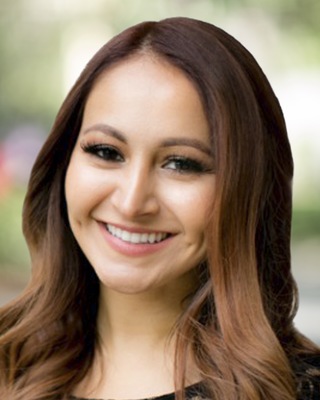
Shaudi AdelLCSW, MSW
License verified, checked Oct 13, 2026
“Check out my profile for a free consultation!”
New York, New York Telehealth $80 per session, sliding scale
-
View profile
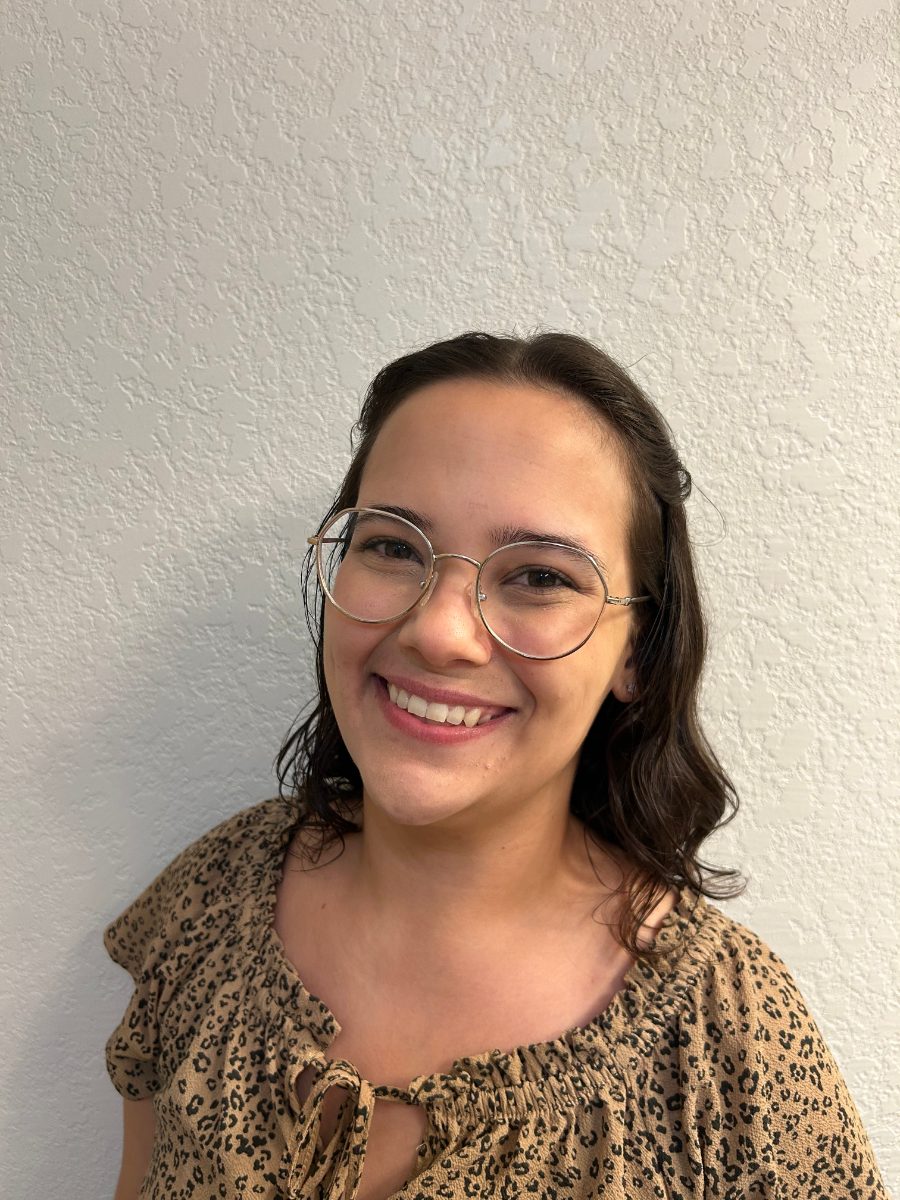
License verified, checked Oct 16, 2026
“Helping college students, young adults, teens, children and their families navigate life's toughest transitions to make living happier.”
Jacksonville, Florida Telehealth and in person $185 per session, sliding scale
-
View profile
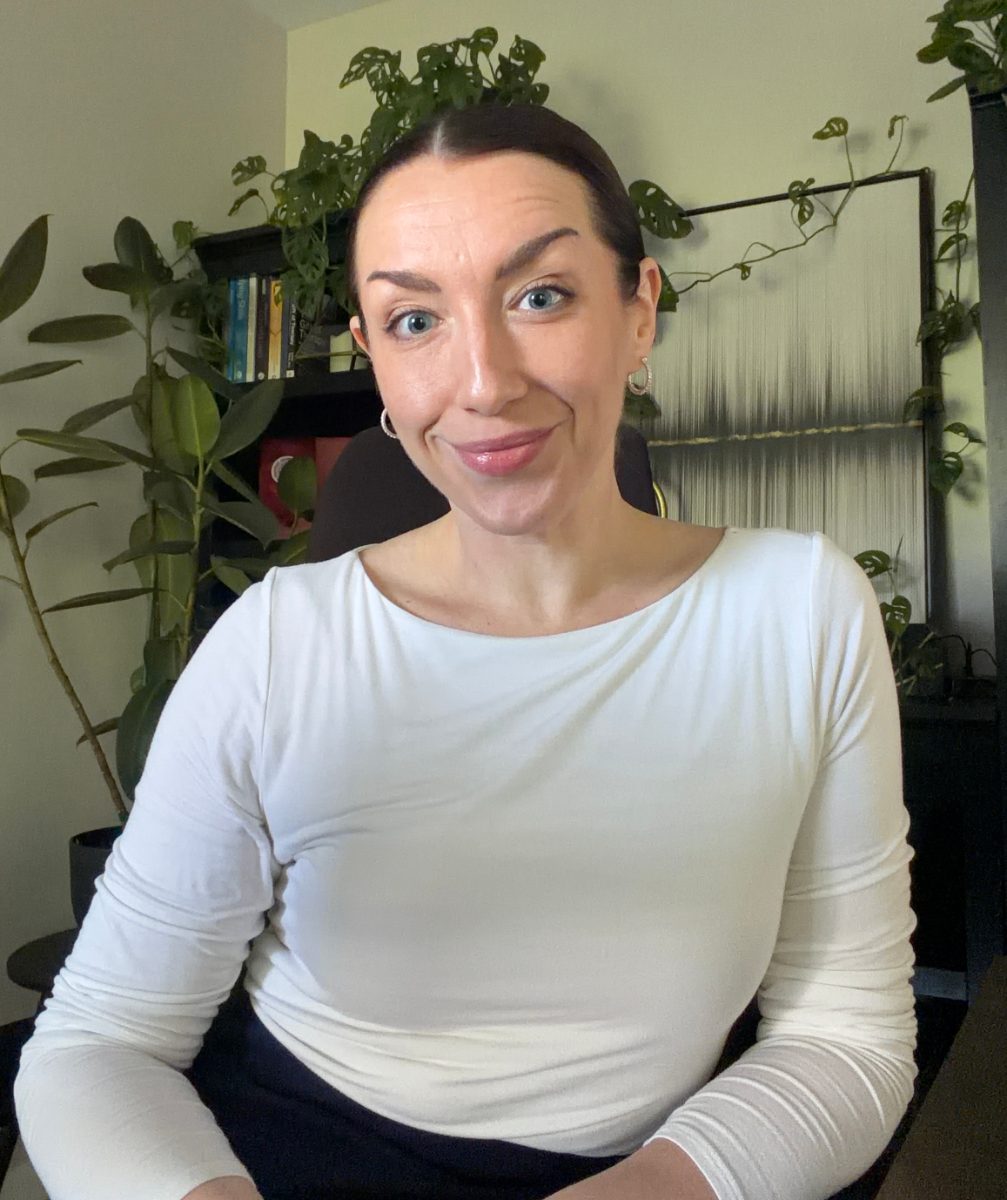
Adrianna CrouchMS, LCPC, LMHC
License verified, checked Sep 29, 2026
“Pivot Back to You”
Indianapolis, Indiana Telehealth $155 to $175 per session
How scoring works
Answers are scored 0–20 in total. Your result falls into one of 3 bands:
| Score | Band | What it suggests |
|---|---|---|
| 0–6 | Low-frequency pattern | Your answers suggest a low frequency of the sleep experiences this screener covers, including the cataplexy items. |
| 7–13 | Moderate-frequency pattern | Your answers suggest a moderate frequency of these sleep experiences. It is worth a closer look at the breakdown above. |
| 14–20 | High-frequency pattern | Your answers suggest a high frequency of the sleep experiences and cataplexy-type triggers this screener covers. |
Narcolepsy vs ordinary daytime sleepiness
Feeling sleepy during the day is common and usually has an ordinary explanation: not enough sleep, a demanding schedule, or another sleep disorder like sleep apnea or insomnia. Narcolepsy is different because it involves the brain's sleep-wake switch itself misfiring, so REM sleep and its features, dreaming, muscle paralysis, can intrude into wakefulness at the wrong moments. That is what produces the more specific signs this test asks about: sudden sleep attacks, cataplexy, sleep paralysis, and hypnagogic hallucinations, rather than tiredness alone.
If your result here is mostly about feeling sleepy without any of the more specific signs, the Daytime Sleepiness Test is a better next step for measuring that specific symptom on its own. It measures how sleepy you are, not whether you have narcolepsy, and an elevated score there is not itself evidence of narcolepsy; the Epworth Sleepiness Scale it is informed by has a specificity of only about 45 to 54 percent in sleep-clinic samples, meaning it flags plenty of sleepy people who do not have narcolepsy. It is entirely possible, and common, to score moderately here simply from being under-slept or stressed, without narcolepsy being involved at all. Idiopathic hypersomnia is another condition worth knowing about: it also causes persistent daytime sleepiness and long, unrefreshing sleep, without the cataplexy, sleep paralysis, or hallucinations this test asks about, and a sleep specialist is the one who can tell it apart from narcolepsy type 2.
What cataplexy actually feels like
Cataplexy is a sudden, brief loss of muscle tone triggered by strong emotion, most classically laughter, but also surprise, anger, or excitement. It can range from a slight sagging of the jaw or drooping eyelids to the knees buckling or a full collapse, while the person usually stays fully awake and aware throughout. Because it is triggered by emotion and passes quickly, it is sometimes mistaken for clumsiness, a seizure, or simply being startled, which is one reason narcolepsy with cataplexy often goes undiagnosed for years.
Not everyone with narcolepsy has cataplexy. Narcolepsy type 1 involves cataplexy and a loss of the brain chemical hypocretin, while narcolepsy type 2 does not include cataplexy. If the cataplexy items in this test did not resonate but the sleep attack and daytime sleepiness items did, that is still worth mentioning to a sleep specialist, since narcolepsy type 2 is real and often overlooked.
What happens at a sleep clinic
Under the current diagnostic criteria (ICSD-3-TR), a narcolepsy diagnosis requires an overnight polysomnography study followed by a daytime multiple sleep latency test (MSLT) showing a mean sleep latency of 8 minutes or less along with 2 or more sleep-onset REM periods, or, for narcolepsy type 1 specifically, a cerebrospinal fluid hypocretin-1 level at or below 110 pg/mL. No questionnaire, including this one, is part of those diagnostic criteria, and no online screening tool can replace that testing. What a screening tool like this can do is help you organize what you are noticing so a sleep specialist has a clearer picture from the first appointment.
Before that appointment, it can help to keep a simple sleep diary for one to two weeks, noting bedtimes, wake times, naps, and any sudden weakness episodes with what triggered them. Bring your answers from this test along. If cataplexy items stood out for you, describe those episodes in as much detail as you can, including what emotion preceded them, since that detail is clinically important.
What should a narcolepsy symptoms quiz ask about?
A narcolepsy symptoms quiz worth taking asks about more than daytime sleepiness, which overlaps with a dozen other conditions. This one covers sudden sleep attacks, cataplexy triggered by laughter or strong emotion, sleep paralysis, hypnagogic hallucinations and fragmented night sleep, alongside a five-item frequency screen informed by the Swiss Narcolepsy Scale. Taking a narcolepsy symptoms test online is a way to organize what you have noticed before a sleep clinic visit, not a way to get a diagnosis. If you want to know how to test for narcolepsy properly, the answer is an overnight sleep study followed by a multiple sleep latency test, and no questionnaire is part of those criteria.
Methodology & sources
The first five items are informed by the Swiss Narcolepsy Scale (SNS; Sturzenegger and Bassetti, 2004), a five-question instrument covering difficulty falling asleep, unrefreshing sleep, daytime napping, and two cataplexy triggers. The original scale uses a published weighted formula, six times question one plus nine times question two minus five times question three minus eleven times question four minus thirteen times question five plus twenty, where a negative result suggests narcolepsy with cataplexy. An independent 2018 validation study found the SNS correctly identified about 89 percent of confirmed narcolepsy with cataplexy cases and correctly cleared about 88 percent of people without it (Sturzenegger et al., 2018), figures from a sleep-clinic population rather than the general public. A separate 2019 cohort study found the SNS discriminates narcolepsy type 1 well but that no available scale, the SNS included, discriminates narcolepsy type 2 with sufficient accuracy (Bargiotas et al., 2019). This page's engine sums item scores rather than applying the published weighted formula, so these five items are adapted as a simple 0 to 4 frequency scale read against descriptive bands; the published SNS score and its validated cutoff are not reproduced here, and this section is not the validated Swiss Narcolepsy Scale.
The second set of eight items is original content written for this page, covering sleep attacks, the two most common cataplexy triggers, sleep paralysis, hypnagogic hallucinations, and fragmented night sleep, the fuller symptom pattern researchers associate with narcolepsy. This is an educational screening tool, not a diagnostic instrument. Narcolepsy can only be confirmed through overnight polysomnography and a multiple sleep latency test performed at a sleep clinic, and this page is designed to help you decide whether pursuing that testing is worthwhile.
References
- Sturzenegger C, Bassetti CL. The clinical spectrum of narcolepsy with cataplexy: a reappraisal. J Sleep Res. 2004;13(4):395-406.
- Sturzenegger C, Baumann CR, Lammers GJ, Kallweit U, van der Zande WLM, Bassetti CL. Swiss Narcolepsy Scale. Clin Transl Neurosci. 2018;2(2), article 2514183X18794175. doi:10.1177/2514183X18794175
- Bargiotas P, Dietmann A, Haynes AG, Kallweit U, Garcia Calle M, Schmidt M, Mathis J, Bassetti CL. The Swiss Narcolepsy Scale (SNS) and its short form (sSNS) for the discrimination of narcolepsy in patients with hypersomnolence: a cohort study based on the Bern Sleep-Wake Database. J Neurol. 2019;266(9):2137-2143. doi:10.1007/s00415-019-09365-2
- Scammell TE. Narcolepsy. N Engl J Med. 2015;373(27):2654-2662.
Cite this source
Psychology.com. (2026, October 18). Narcolepsy Test. Psychology.com. https://psychology.com/tests/narcolepsy
Narcolepsy Test FAQ
What is narcolepsy?
Narcolepsy is a chronic neurological sleep disorder in which the brain has trouble regulating the boundary between sleep and wakefulness. It causes excessive daytime sleepiness and can include sudden sleep attacks, cataplexy, sleep paralysis, and vivid hallucinations while falling asleep. It is caused by a loss of the brain chemical hypocretin in most cases involving cataplexy.
What is cataplexy?
Cataplexy is a sudden, brief loss of muscle tone triggered by strong emotion, especially laughter, ranging from a sagging jaw to the knees buckling or a full collapse, while the person stays awake and aware. It is one of the clearest signs of narcolepsy type 1 and is not present in narcolepsy type 2.
Is this test the real Swiss Narcolepsy Scale?
No. The five frequency items are informed by the Swiss Narcolepsy Scale's content, but this page sums item scores into descriptive bands rather than applying the scale's published weighted formula. The full validated Swiss Narcolepsy Scale and its clinical cutoff are not reproduced here.
Is this test a diagnosis?
No. Narcolepsy can only be diagnosed with an overnight sleep study (polysomnography) followed by a multiple sleep latency test at a sleep clinic. This page is an educational screening tool meant to help you decide whether pursuing that testing is worthwhile.
What is the difference between narcolepsy and just being tired?
Ordinary tiredness usually has a clear cause, like short sleep or a demanding schedule, and improves with rest. Narcolepsy involves specific intrusions of REM sleep features into wakefulness, such as sudden sleep attacks, cataplexy, sleep paralysis, and hallucinations while falling asleep, which do not resolve with more sleep alone.
How common is narcolepsy, and how reliable is an online screener like this one?
Narcolepsy is rare. Community studies put overall narcolepsy at roughly 25 to 67 per 100,000 people depending on how it is counted, and narcolepsy type 1 specifically at about 12 to 19 per 100,000 (ICSD-3-TR criteria; Ohayon, 2023; Ohayon, 2025). Because it is uncommon, false positives on any self-report narcolepsy screener taken online are expected: one study found an online version of a similar scale flagged about 10.7 percent of respondents, far more than the roughly 0.02 to 0.03 percent of the population with confirmed narcolepsy with cataplexy. A high score here is a reason to talk to a sleep specialist, not a reliable estimate of your odds of actually having narcolepsy.
Is the test really confidential?
Yes. The test runs and is scored in your browser, and your individual answers are never sent to us. We count completions anonymously, and if you request the free PDF or a report we receive your summary scores with the email you give us, never your answers. No account is needed.
Do I have narcolepsy if I score high on this quiz?
Not necessarily. A high score on a do I have narcolepsy quiz is a reason to ask for a sleep clinic referral, not a result in itself. Narcolepsy is rare, so false positives on any online screener are expected, and daytime sleepiness alone usually has a more ordinary explanation such as short sleep, insomnia or sleep apnea. The signs worth raising specifically are cataplexy, sleep paralysis and hallucinations while falling asleep.
Is there a type 2 narcolepsy quiz?
There is no separate type 2 narcolepsy quiz here, and the research explains why: a 2019 cohort study found that no available scale, the Swiss Narcolepsy Scale included, discriminates narcolepsy type 2 with sufficient accuracy. Type 2 involves the same daytime sleepiness and sleep attacks without cataplexy, so if the cataplexy items did not resonate but the sleep attack and sleepiness items did, that is still worth mentioning to a sleep specialist.