Hyperlexia Test: Screen Your Child's Early Reading and Comprehension Gap
A parent-report screening for hyperlexia in children aged 2 to 7: early, self-taught reading alongside a comprehension gap. You get an instant, affirming result and a free PDF to bring to a specialist.

 Reviewed byMichael Callans, MSW
Hyperlexia Test (Parent Report) is a free, confidential 16-question self-assessment, educational screener · not a diagnostic test. It takes about 5 minutes, runs entirely in your browser, and gives you a plain-language score across 3 interpretation bands plus an optional in-depth report. It is an educational screening, not a diagnosis.
What this screening looks at
Hyperlexia is a specific, recognizable pattern: reading ability that arrives early and easily, alongside understanding that lags behind it. This screening looks at both halves of that pattern, plus the social communication traits that often travel alongside it.
Early, self-taught reading
Whether your child recognized letters or read words unusually early, largely on their own, and whether they are drawn to text more intensely than most children their age.
The comprehension gap
Whether your child's understanding of what they read, or hear, lags noticeably behind how fluently they can read it aloud, the defining feature that separates hyperlexia from simply being an early reader.
Social communication traits
Conversation, eye contact, scripted or repeated speech, and routine, the traits that overlap heavily with autism in many hyperlexic children.
| Feature | Typical free quiz | Psychology.com |
|---|---|---|
| Names all three hyperlexia types (Treffert) | Almost never | Yes, explained clearly |
| Looks at the comprehension gap specifically | Rarely | Yes, as its own area |
| Frames reading as a strength to build on | Rarely | Throughout |
| Age-appropriate for 2 to 7 year olds | Often generic | Yes |
| Explains the autism overlap honestly | Rarely | Yes |
| Confidential, no account needed | Often tracked | Runs in your browser |
| Optional detailed PDF for appointments | No | Yes |
Therapists Who Work With Parenting
If your result points to something you want help with, these licensed therapists work with it. Every member is matched to the federal NPI Registry; board checks are dated on the profile.
-
View profile
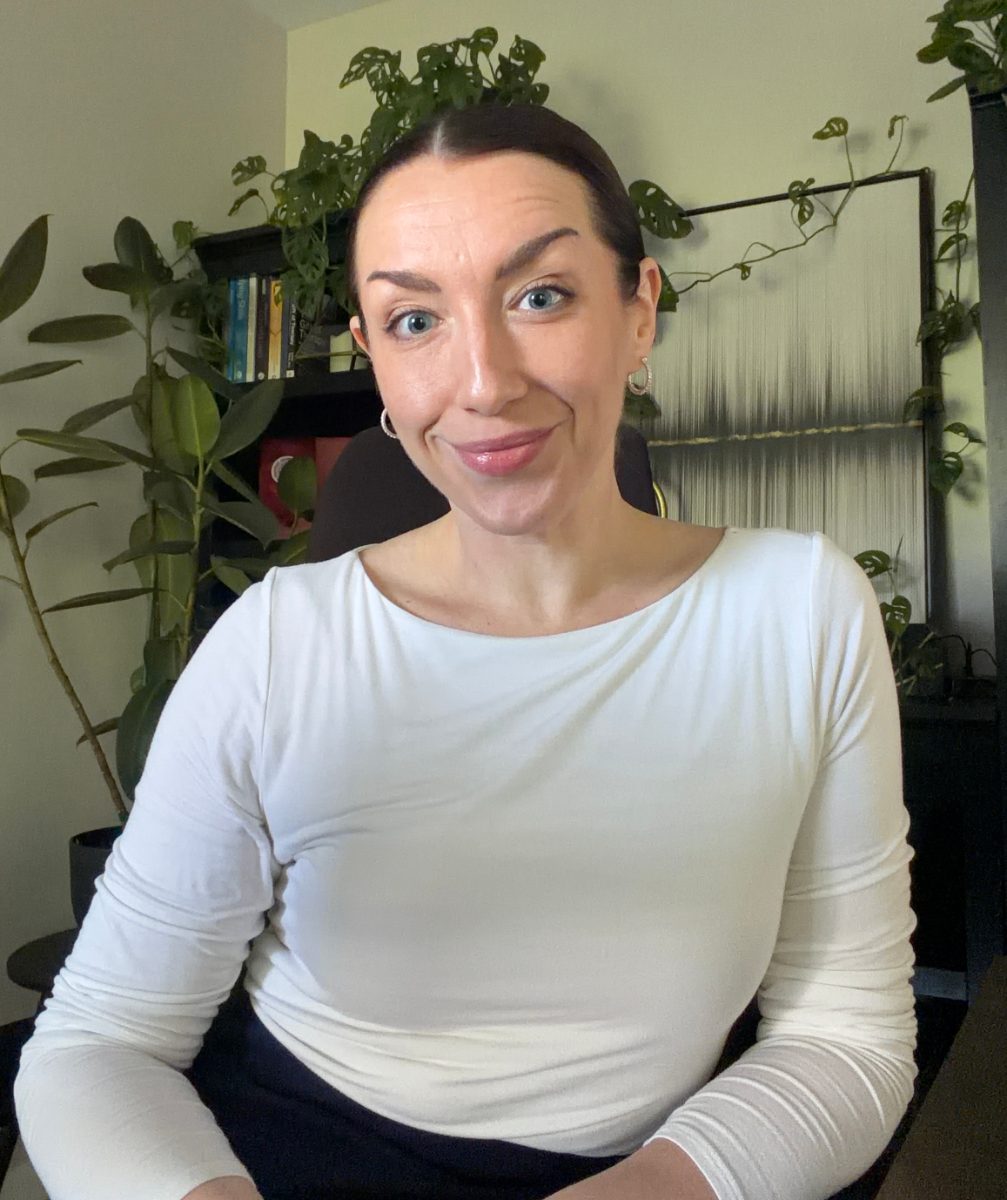
Adrianna CrouchMS, LCPC, LMHC
License verified, checked Sep 29, 2026
“Pivot Back to You”
Baltimore, Maryland Telehealth $155 to $175 per session
-
View profile
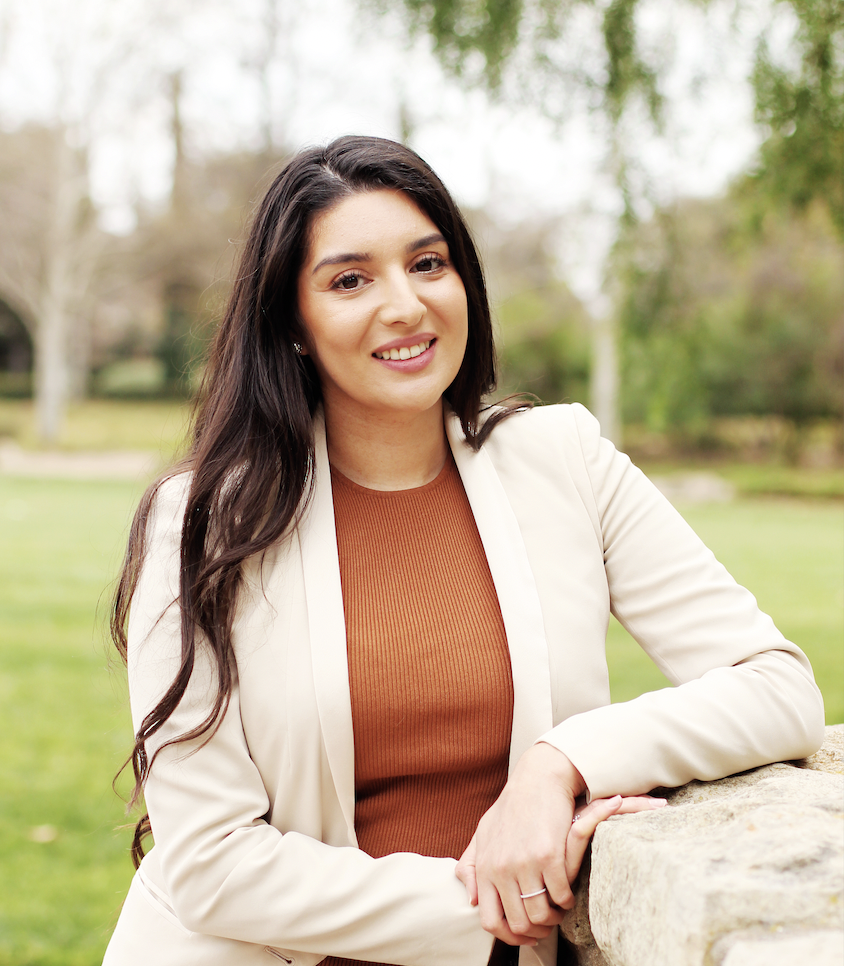
License verified, checked Oct 13, 2026
Glendale, California Telehealth and in person $200 per session
-
View profile
Amy TrachterPsyD, PhD
License verified, checked Oct 13, 2026
“Experienced professional who is a change activator & truth seeker. Happy warrior who maximizes human potential.”
Old Tappan, New Jersey Telehealth $400 per session, sliding scale

How scoring works
Answers are scored 0–48 in total. Your result falls into one of 3 bands:
| Score | Band | What it suggests |
|---|---|---|
| 0–16 | Few hyperlexia traits noted | Based on your answers, you are noticing few of the traits this screening looks at. |
| 17–32 | Some hyperlexia traits noted | Based on your answers, your child shows some of the traits this screening looks at, including a comprehension gap or some social communication differences. |
| 33–48 | Many hyperlexia traits (consider an evaluation) | Based on your answers, your child shows many of the traits this screening looks at, across reading, comprehension, and social communication. |
The three types of hyperlexia
Psychiatrist Darold Treffert, who spent decades studying savant skills, described hyperlexia in three types. Type I describes neurotypical children who simply read early, sometimes remarkably so, without any other developmental differences; these children generally need no intervention at all, just books that match their reading level. Type II describes early reading that shows up as one part of a broader autism spectrum presentation, often alongside the social communication and repetitive-pattern traits autism involves. Type III describes children who show early reading plus some autistic-like traits, such as scripted speech or narrow interests, that lessen over time and, for many, resolve almost completely by later childhood.
This screening cannot sort your child into one of these three types; only a specialist evaluation over time can really do that, since Type II and Type III can look identical in early childhood and only become distinguishable as a child gets older. What the screening can do is describe the pattern you are seeing right now: the reading itself, the comprehension gap, and the social communication traits, so you and a specialist have organized information to work with. Parents sometimes notice the opposite pattern in themselves, reading that never came easily, and our dyslexia test, written for adults, is built for that question.
Hyperlexia and autism: a strong, real overlap
Most research on hyperlexia describes a strong association with autism spectrum traits, though not every hyperlexic child is autistic, and not every autistic child is hyperlexic. Researchers have found that many children with hyperlexia show accompanying differences in social communication, restricted interests, or a preference for routine, which is why a hyperlexia screening and an autism screening often point toward the same next step: a broader developmental evaluation, not a narrow reading assessment alone.
If you are noticing hyperlexia traits, it is worth also looking at the fuller autism picture rather than treating early reading as the whole story. the Child & Teen Autism Test covers social communication, repetitive behaviors, and sensory traits directly for children aged 4 and up, and can add useful detail alongside what this screening finds.
Reading is a strength worth building on
Whatever the underlying picture turns out to be, early reading is a genuine strength, not something to discourage or worry away. Many families and specialists successfully use a hyperlexic child's love of text as a bridge into other skills: using written words and visual schedules to support spoken language and social understanding, rather than treating reading as separate from, or in competition with, those goals. Framing this ability as an asset, while still addressing the comprehension gap and social traits directly, tends to get better results than focusing on the gap alone.
If echolalia, repeating words, phrases, or whole scripts, is part of what you are noticing alongside the reading pattern, the Echolalia Test (Parent Report) looks specifically at that, including the difference between immediate and delayed echolalia and how it connects to language development. And if a fuller language picture, not just reading, is what you want to understand, the Developmental Language Disorder Test screens broadly for developmental language differences in children aged 3 to 8.
Methodology & sources
This is an original, house-built screening, not a reproduction of any single published instrument, since there is no widely used, publicly available standardized hyperlexia questionnaire for parents. The item content and structure are informed by the clinical descriptions of hyperlexia in the research literature, particularly the defining features: precocious, self-taught word recognition; a comprehension gap between decoding and understanding; and the social communication traits, including scripted or echoed speech, that frequently accompany the reading pattern (Grigorenko, Klin & Volkmar, 2003; Ostrolenk et al., 2017).
The 16 items are grouped into three areas for the results breakdown, early reading, comprehension gap, and social communication, which is our own grouping for clarity and is not a validated clinical subscale from any published test. Each item is rated on how often the behavior happens, from never to very often, and higher totals reflect a more pronounced hyperlexia pattern across more of the areas this screening asks about.
This is a screening for education and reflection, not a diagnosis. Hyperlexia itself is not a formal diagnostic category in the DSM-5; it is a descriptive pattern that a developmental pediatrician, child psychologist, speech-language pathologist, or reading specialist can help you understand, often alongside an autism evaluation given how closely the two overlap. We use affirming, strengths-aware language throughout because early reading, whatever else is going on, is a genuine ability worth building on.
References
- Treffert DA. Hyperlexia III: separating 'autistic-like' behaviors from autistic disorder; assessing children who read early or speak late. WMJ. 2011;110(6):281–282.
- Grigorenko EL, Klin A, Volkmar F. Annotation: Hyperlexia: disability or superability? J Child Psychol Psychiatry. 2003;44(8):1079–1091.
- Ostrolenk A, Forgeot d'Arc B, Jelenic P, Samson F, Mottron L. Hyperlexia: Systematic review, neurocognitive modelling, and outcome. Neurosci Biobehav Rev. 2017;79:134–149.
Cite this source
Psychology.com. (2026, September 15). Hyperlexia Test (Parent Report). Psychology.com. https://psychology.com/tests/hyperlexia
Hyperlexia Test (Parent Report) FAQ
What is hyperlexia?
A pattern of surprisingly early, self-taught word reading, alongside a gap between how well a child decodes text and how well they understand it. It often, though not always, appears alongside autism spectrum traits.
Is hyperlexia a formal diagnosis?
No. It is a descriptive pattern, not a category in the DSM-5. A specialist can help you understand where it fits for your child, often as part of a broader autism or language evaluation.
Does hyperlexia mean my child is autistic?
Not necessarily, but the overlap is strong. Many, though not all, hyperlexic children also show autism spectrum traits. An autism-informed evaluation is usually the most useful next step if this screening's result stands out.
Should I stop my child from reading so much?
No. Reading is a real strength. Most specialists recommend using it as a bridge into other skills, like language and social understanding, rather than discouraging it.
What are the three types of hyperlexia?
Psychiatrist Darold Treffert described Type I (early reading with no other differences), Type II (early reading as part of an autism spectrum presentation), and Type III (early reading with autistic-like traits that lessen over time). Only a specialist evaluation over time can tell these apart.
Is this test confidential?
Your answers are scored in your browser and are never sent to us. They stay in this tab so you can come back to your result, and closing or clearing the tab clears them. If you choose to have the PDF emailed to you at the end, we receive your summary scores along with your email address so we can write to you about the result, never your individual answers.