Autism Test for Women: See How Autism Traits Often Show Up Differently in Women
This autism test for women explores social effort, sensory needs, and masking through research-informed questions. It offers an instant self-assessment result and cannot confirm or rule out autism.

 Reviewed byMichael Callans, MSW
Autism Test for Women is a free, confidential 16-question self-assessment, research-informed educational screener. It takes about 8 minutes, runs entirely in your browser, and gives you a plain-language score across 3 interpretation bands plus an optional in-depth report. It is an educational screening, not a diagnosis.
The presentation the standard checklists were not built to see
Autism screening tools were largely developed from studies of boys and men, so the quieter, more camouflaged presentation common in women often slips through. This screener asks about that presentation directly: not whether you look autistic to others, but what it costs you to look the way you do.
Social effort & camouflage
Studying people to learn the rules, rehearsing conversations, and performing social skills well at real cognitive cost. Camouflaging is one of the most consistent findings in research on autistic women.
Interests, routines & sensory life
Deep interests that read as acceptable, like books, animals, psychology, or people themselves, a strong need for sameness, and sensory sensitivities that make ordinary environments genuinely hard work.
The hidden cost
The part outsiders miss: exhaustion after socializing, feeling alien despite fitting in, and years of anxiety or depression treated long before anyone considered autism.
| Feature | Typical free quiz | Psychology.com |
|---|---|---|
| Built around the female/internalized presentation | Rarely | Yes, all 16 items |
| Honest about not being a validated instrument | No | Yes, clearly labeled |
| Points to the validated screen (AQ-10) | No | Yes, our main autism test |
| Breakdown across four areas | No | Yes, full breakdown |
| Affirming, non-pathologizing language | Rarely | Throughout |
| Optional in-depth personalized report | No | Yes, written to your exact scores |
| Confidential (no data sent) | Often tracked | Runs in your browser |
Therapists Who Work With Autism
If your result points to something you want help with, these licensed therapists work with it. Every member is matched to the federal NPI Registry; board checks are dated on the profile.
-
View profile
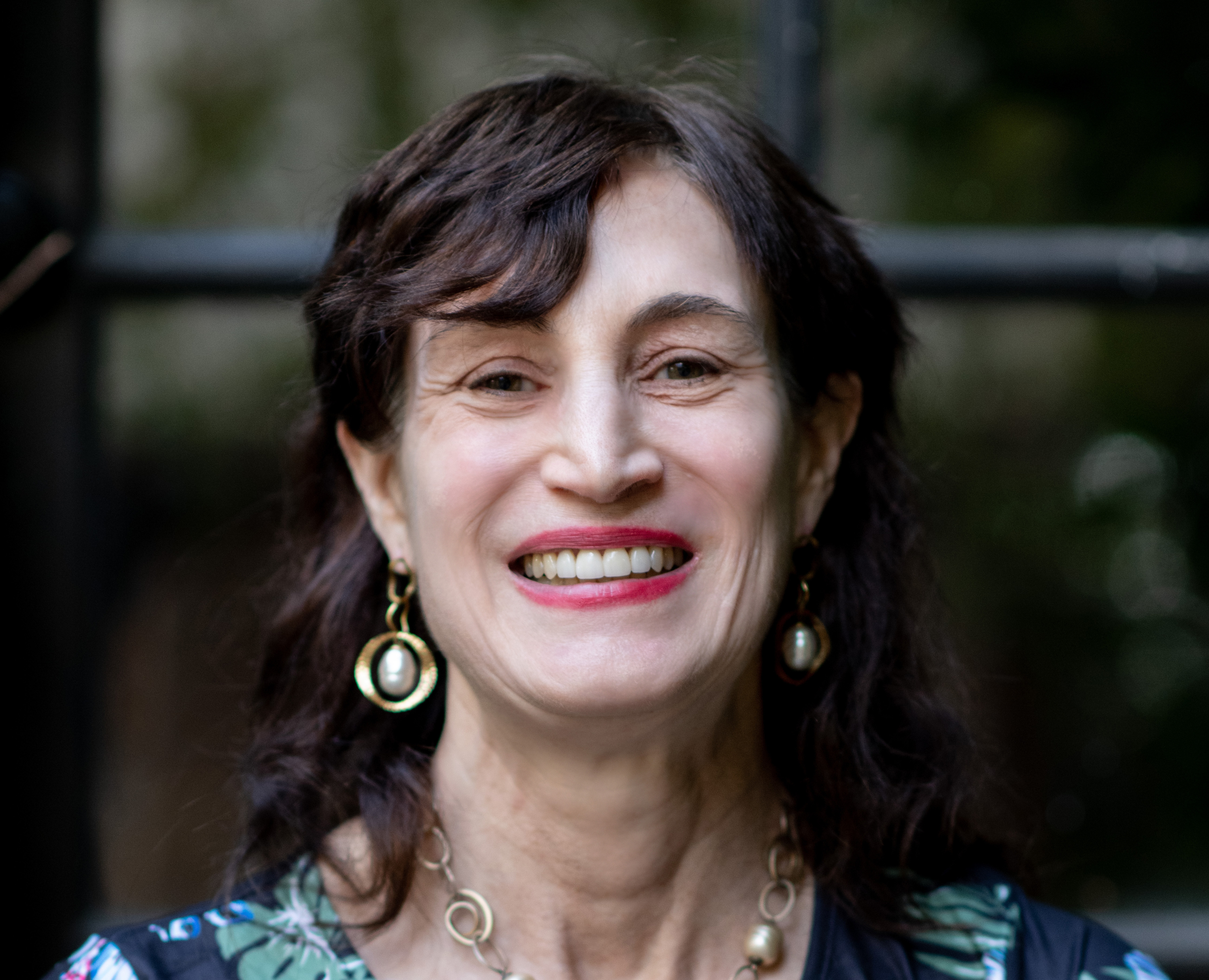
Dr. Cynthia CohenPsyD, PhD
Identity matched to the NPI Registry
“Psychotherapy with Cognitive and Behavioral Approaches”
Canfield, Ohio Telehealth and in person $90 to $120 per session
-
View profile
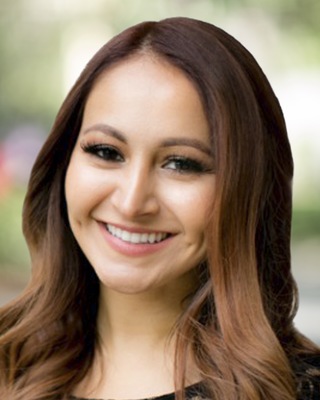
Shaudi AdelLCSW, MSW
License verified, checked Oct 13, 2026
“Check out my profile for a free consultation!”
New York, New York Telehealth $80 per session, sliding scale
-
View profile
Karen BorkowskiMSW, LCSW
License verified, checked Sep 28, 2026
Madison, Wisconsin Telehealth and in person $200 to $250 per session, sliding scale
How scoring works
Answers are scored 0–64 in total. Your result falls into one of 3 bands:
| Score | Band | What it suggests |
|---|---|---|
| 0–21 | Few signs of this presentation | Your responses show little overlap with the internalized autism presentation. Most of these experiences do not sound like yours. |
| 22–42 | Some traits of the internalized presentation | Your responses overlap meaningfully with how autistic women often describe their experience, without matching the full pattern strongly. |
| 43–64 | Strongly consistent with the internalized presentation | Your responses closely match how late-diagnosed autistic women describe their lives: capable on the outside, working hard underneath, and exhausted by a world that never quite fit. |
How this test is scored
This screener has 16 statements split evenly across four areas: social effort, intense interests and routines, sensory and overwhelm, and the hidden cost, four statements each. You rate each one from strongly disagree (0) to strongly agree (4), so each area can score up to 16 points and the total score can reach 64.
There is no published clinical cutoff for this internalized-presentation screener, which is why results are read in three broad bands rather than against a specific diagnostic threshold. The breakdown above shows which of the four areas your experience concentrates in, which is often more informative than the total score alone.
The autism test for women reflects how you describe your experiences, not the likelihood that you are autistic. A higher score can also reflect difficulties that need a different explanation. A lower score cannot exclude autism, particularly when your own examples raise concerns that these questions do not capture.
Autism vs. ADHD in women
Autism and ADHD are frequently confused in women, and the two conditions often occur together. ADHD traits, difficulty with sustained attention, restlessness, and impulsivity, can look similar to autistic overwhelm from the outside, and both conditions are underdiagnosed in women for related reasons: symptoms present differently than in men and get absorbed into other explanations like anxiety.
The rough distinction: autism centers on social effort, a need for sameness, and sensory sensitivity, while ADHD centers on attention regulation and impulse control, even in situations you care about. Many women have both, which researchers call AuDHD. If ADHD traits sound at least as familiar as what is described here, our ADHD Test for Women or our AuDHD Test (Autism + ADHD) can help you see which pattern, or combination, fits your experience best.
These descriptions are starting points for discussion, not rules for separating diagnoses. A clinician considers developmental history and the broader pattern of daily functioning. AuDHD is an informal term for co-occurring autism and ADHD, rather than a separate diagnosis established by an online test.
Autistic burnout: when masking stops working
Autistic burnout is a specific kind of exhaustion that goes beyond being tired after a long week. It tends to build after a long period of masking or coping with a mismatched environment, and it shows up as skills that used to come easily becoming harder, sensory sensitivity spiking, and a need to withdraw from responsibilities that were previously manageable.
It is different from general burnout, which our burnout test screens for, in that it is tied specifically to the cumulative cost of camouflaging and sensory load rather than workload alone, though the two can compound each other. A nervous-system tool like the Window of Tolerance worksheet can help you notice early signs of overload before a full crash, and the Psychology.com therapist directory can help you find a clinician who works with autistic adults if the pattern keeps repeating.
What should I bring to an adult autism assessment?
Prepare examples of social communication, sensory experiences, routines, and interests from childhood and adulthood. Include what other people noticed and what you experienced privately, such as rehearsing conversations or needing recovery time. If available, school reports or observations from someone who knew you as a child may help describe early development. Tell the assessor when that information is unavailable.
Write down the questions you want the assessment to address and the support you need in daily life. You can use the Autism Test (Adult) as another discussion aid, while remembering that screening results cannot settle a diagnosis. The Psychology.com tests hub can help you find related self-assessments; taking more tests is optional, and support needs remain worth discussing regardless of scores. If attention, organization, and internal restlessness are part of the picture too, the ADHD test for women screens those alongside masking. Because masking is often what delays recognition, the autism masking test measures how much camouflaging you report across three strategies.
Methodology & sources
This is an educational screener, not a validated diagnostic instrument, and we want to be clear about that up front. Its sixteen statements are original items written to reflect the research literature on the female or internalized autism phenotype: studies of camouflaging in autistic adults (Hull et al., 2020), reviews of sex and gender differences in autism (Lai et al., 2015), and qualitative work with women diagnosed in adulthood (Bargiela, Steward & Mandy, 2016). Each statement is answered on a five-point agreement scale scored 0 to 4, giving a total from 0 to 64, read in three broad bands rather than against a clinical cutoff, because no validated cutoff exists for an instrument like this.
The validated screening tool remains the AQ-10, which our main autism test reproduces faithfully with its published referral cutoff, and we suggest taking that one too. This screener exists because the AQ was developed largely from male samples and can miss people who camouflage well. A high score here means your experience overlaps substantially with how late-diagnosed autistic women describe theirs. That is meaningful information to bring to a clinician, and it is all this tool can offer: reflection and direction, never a diagnosis.
The research cited here describes experiences and differences between groups; it does not validate this page's original items or establish diagnostic accuracy for its result bands. The interviews reported by Bargiela and colleagues help explain missed recognition, but their findings cannot describe every autistic woman. Adult assessment considers development, current functioning, and possible overlapping conditions, as outlined by the National Institute of Mental Health.
References
- Hull L, Lai MC, Baron-Cohen S, Allison C, Smith P, Petrides KV, Mandy W. Gender differences in self-reported camouflaging in autistic and non-autistic adults. Autism. 2020;24(2):352-363. doi.org/10.1177/1362361319864804
- Lai MC, Lombardo MV, Auyeung B, Chakrabarti B, Baron-Cohen S. Sex/gender differences and autism: setting the scene for future research. J Am Acad Child Adolesc Psychiatry. 2015;54(1):11-24. doi.org/10.1016/j.jaac.2014.10.003
- Bargiela S, Steward R, Mandy W. The experiences of late-diagnosed women with autism spectrum conditions: an investigation of the female autism phenotype. J Autism Dev Disord. 2016;46(10):3281-3294. doi.org/10.1007/s10803-016-2872-8
- Bargiela S, Steward R, Mandy W. The Experiences of Late-diagnosed Women with Autism Spectrum Conditions: An Investigation of the Female Autism Phenotype. Full text: pmc.ncbi.nlm.nih.gov/articles/PMC5040731/
- National Institute of Mental Health. Autism Spectrum Disorder. Adult diagnosis and assessment. nimh.nih.gov/health/publications/autism-spectrum-disorder
Cite this source
Psychology.com. (2026, September 16). Autism Test for Women. Psychology.com. https://psychology.com/tests/autism-women
Autism Test for Women FAQ
How does autism present differently in women?
Research describes a more internalized pattern: social difficulties managed through studying and copying others, deep interests in socially acceptable topics like animals, fiction, or psychology, sensory sensitivities handled quietly, and distress turned inward as anxiety or exhaustion rather than outward behavior. Because the earliest diagnostic descriptions were based mostly on boys, this presentation was overlooked for decades, and many autistic women were missed or mislabeled.
Is getting diagnosed as an adult worth it?
There is no single right answer, and assessment can be expensive and slow. That said, in studies of late-diagnosed women, most describe the diagnosis as a turning point: it replaced years of self-blame with an accurate explanation, helped them ask for the right support, and let them stop forcing themselves through what was quietly costing them. Many also describe grief for the years spent not knowing. Both reactions are normal, and many women say it was worth it.
Is this autism or social anxiety?
Autism and social anxiety can overlap, and a questionnaire cannot reliably separate them. Fear of judgment may affect social interaction, while autistic differences can involve communication, sensory experiences, routines, and development. Having anxiety does not exclude autism, and social effort alone does not establish it. The Social Anxiety Test can help you describe the anxiety side. Bring examples from different settings and life stages to a clinician who can assess both possibilities.
Can I be autistic if I make eye contact and have friends?
Yes. Many autistic women make eye contact because they trained themselves to, maintain friendships they genuinely value, and hold jobs where they pass as simply a bit reserved or particular. Camouflaging can be so practiced that even clinicians are fooled. What the surface does not show is the effort underneath, which is exactly why this screener asks about cost and recovery rather than visible behavior.
How do I find an assessor who understands autistic women?
Ask directly before booking: how many adult women have they assessed, are they familiar with camouflaging and the internalized presentation, and do they use adult-appropriate measures rather than child-focused ones. Psychologists who list adult autism or late-diagnosed adults as a specialty are a good starting point, and autistic community groups often keep informal lists of assessors who get it. A clinician who dismisses the question because you have a job or friends is the wrong clinician.
I am nonbinary or AFAB but not a woman. Does this apply to me?
People of any gender can recognize experiences described here, including masking, sensory sensitivity, and social exhaustion. You are welcome to use these questions for reflection if they fit your life. This original questionnaire has not established equivalent accuracy across genders, so its score should not be treated as a diagnostic conclusion for anyone. An assessment should consider your individual development, circumstances, and support needs.