Test Anxiety Test: Separate Worried Thoughts from Physical Exam Stress
This test anxiety test screens for exam worry, physical stress, and performance concerns. Adapted from TAI and Westside concepts, it gives an instant self-assessment with a symptom breakdown.

 Reviewed byMichael Callans, MSW
Test Anxiety Test is a free, confidential 16-question self-assessment, based on the Test Anxiety Inventory & Westside scale. It takes about 7 minutes, runs entirely in your browser, and gives you a plain-language score across 3 interpretation bands plus an optional in-depth report. It is an educational screening, not a diagnosis.
Test anxiety has two engines, and this measures both
Decades of research show test anxiety is not one thing. It is the racing thoughts and self-doubt of worry, plus the racing heart and shaky hands of physical arousal. Most quizzes blur them together. This one keeps them apart, because they respond to different strategies. Use it as a test anxiety assessment or a test anxiety questionnaire for adults: instant result, and a screening rather than a diagnosis.
The cognitive side
The thoughts that hijack an exam: fear of failing, comparing yourself to others, blanking out, and the sense that you should be doing better. Spielberger's research found this is the part most tied to lower scores.
The emotionality side
The physical alarm response: a pounding heart, sweaty palms, nausea, tension, and that wired, jittery feeling before and during a test. Very real, and very treatable with the right skills.
Avoidance & performance
How much test anxiety actually costs you: procrastinating, freezing on questions you knew, or scoring below what your preparation deserved. This is the part that tells you whether it is worth addressing.
| Feature | Typical free quiz | Psychology.com |
|---|---|---|
| Based on validated instruments (TAI + Westside) | Sometimes | Yes, faithful items |
| Separate worry vs physical subscores | No | Yes, both shown |
| Performance-impact items | Rarely | Yes |
| Research-based severity bands | Vague labels | Real interpretation |
| Clinician-reviewed | Rarely | Yes, reviewed |
| Optional in-depth personalized report | No | Yes, written to your exact scores |
| Confidential (no data sent) | Often tracked | Runs in your browser |
Therapists Who Work With Anxiety
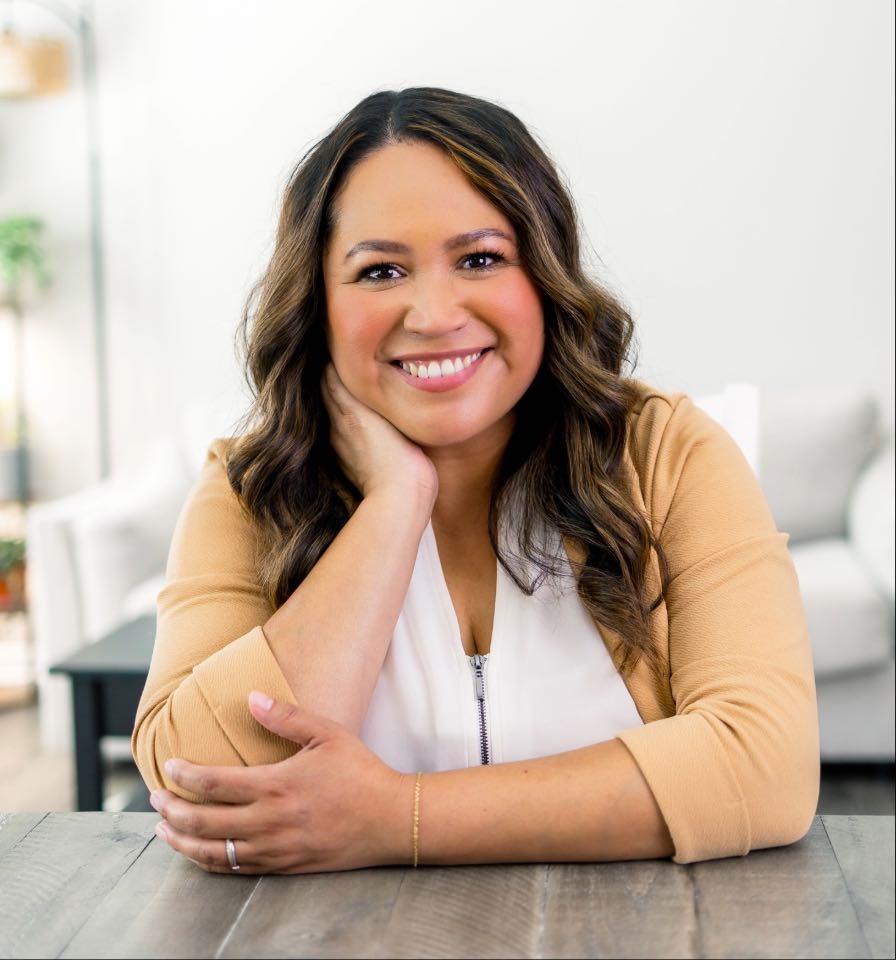
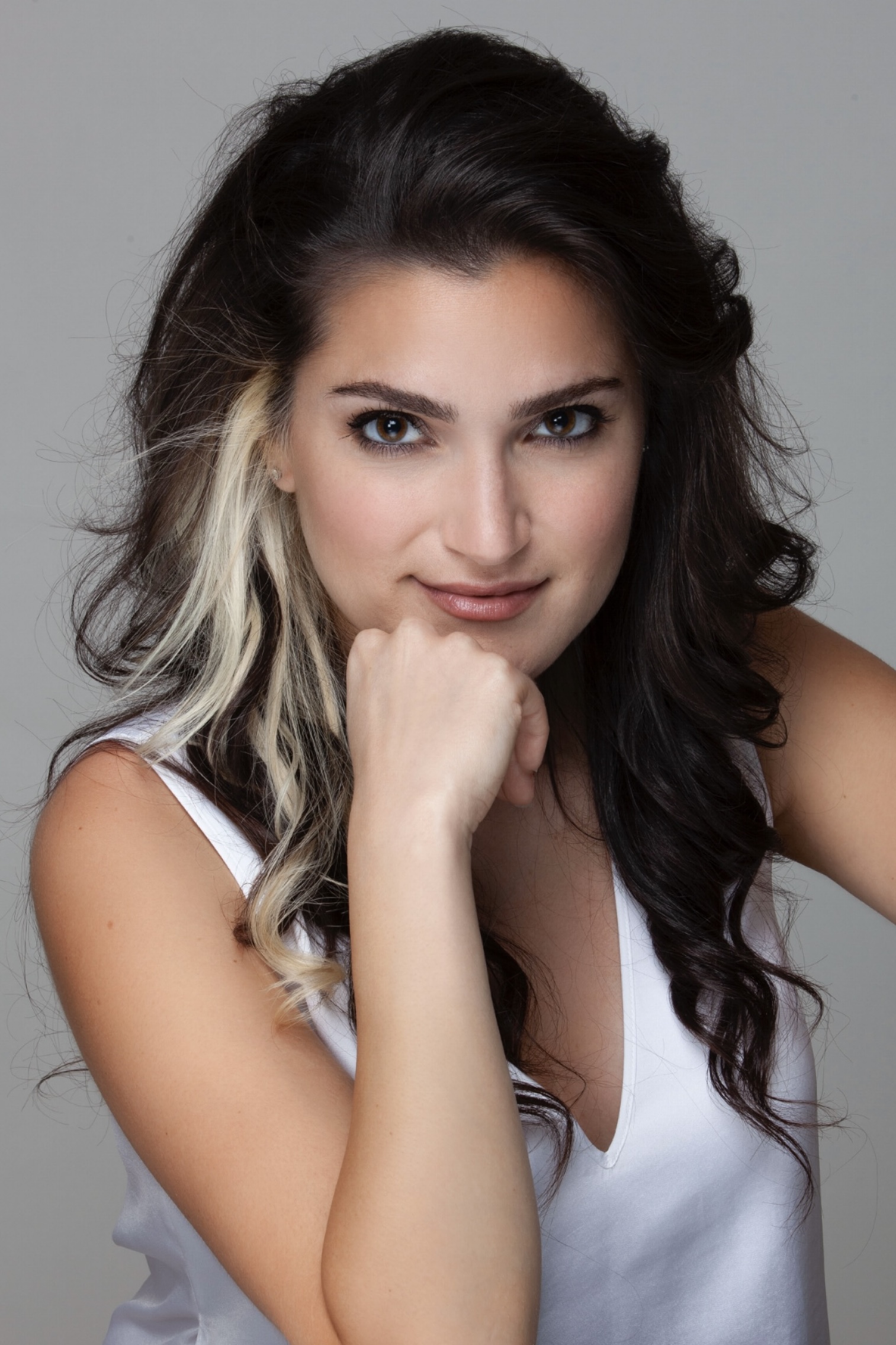
If your result points to something you want help with, these licensed therapists work with it. Every member is matched to the federal NPI Registry; board checks are dated on the profile.
-
View profile
License verified, checked Sep 29, 2026
“Please watch my video to learn more about me and my practice.”
Helotes, Texas Telehealth $175 to $190 per session, sliding scale
-
View profile
License verified, checked Oct 15, 2026
“Let's make sense of the messiness of being human, together.”
San Antonio, Texas Telehealth and in person $95 to $100 per session, sliding scale
-
View profile
License verified, checked Oct 23, 2026
“An active, collaborative partnership focused on helping you shift negative cycles and build real-world coping strategies.”
Montgomery, Alabama Telehealth $100 to $160 per session

How scoring works
Answers are scored 0–64 in total. Your result falls into one of 3 bands:
| Score | Band | What it suggests |
|---|---|---|
| 0–20 | Low test anxiety | Your answers point to low test anxiety. Some nerves before an exam are normal and can even sharpen focus. On this measure, your stress is staying in a workable range. |
| 21–40 | Moderate test anxiety | Your answers point to moderate test anxiety. This is common, and it is the range where a few targeted skills can make a noticeable difference. |
| 41–64 | High test anxiety | Your answers point to high test anxiety. That is a heavy load to carry into every exam, and it is very likely costing you scores that do not reflect what you know. |
Test anxiety beyond the classroom
This Test Anxiety Test explores worry and physical stress around evaluations. Exams are not the only evaluation that triggers this pattern. The same worry and physical alarm response shows up before the SAT or ACT, graduate entrance exams, professional licensing boards, a driving test, or a certification exam at work. High-stakes, single-attempt tests tend to trigger the strongest reactions, because there is no obvious next chance to fix a bad result, which is exactly the kind of thinking the worry subscale on this test captures. If the worry is broader still, the OCD or anxiety test compares the way OCD works with the way generalized anxiety works across twelve shared experiences.
If evaluation anxiety follows you into job interviews, performance reviews, or public speaking rather than only formal tests, that is a related but broader pattern, and our Social Anxiety Test looks at the wider version of being watched and judged by other people. Either way, the Psychology.com therapist directory lets you filter for counselors who work specifically with academic and performance anxiety.
Test anxiety versus ADHD or under-preparation
Not every rough test score is test anxiety. If you routinely lose track of time while studying, struggle to start assignments regardless of how anxious you feel about them, or the same concentration problems show up in situations that have nothing to do with being evaluated, attention difficulties may be a bigger factor than anxiety, and our ADHD Test (Adult) looks at that pattern specifically. The two can also occur together, since attention difficulties make preparation harder, which then feeds the worry this test measures.
Preparation gaps can contribute to test anxiety, and anxiety can also make preparation harder. Consider both when reviewing a disappointing result. You may understand the material during practice yet struggle to recall it under pressure, or you may need help choosing study methods that fit the exam. Our Time Management tool can help you plan study tasks and realistic breaks. An academic adviser or learning-support specialist can review preparation with you, while a counselor can help you understand the anxiety. You do not have to prove that you studied perfectly before asking for support. If intrusive themes rather than evaluation are the issue, the OCD themes quiz ranks six obsession themes and writes out your leading one day to day.
How accurate is this test anxiety test?
This page uses an adapted questionnaire informed by the Test Anxiety Inventory and Westside scale. The original instruments have research behind them, but their validation does not establish the accuracy of this combined website version. Its result cannot predict your next grade, determine your academic ability, or confirm an anxiety disorder.
Read the low, moderate, and high labels as descriptive feedback from your answers. The worry, physical, and impact categories offer topics to discuss with a counselor. They do not establish why you struggled or identify which intervention will work for you. Bring examples of what happened before, during, and after an exam to make that discussion more useful.
What should I do after a high test anxiety score?
Before the next exam, ask your instructor about the format and review practice material that resembles the task. Choose a manageable study schedule and rehearse a calming skill such as Progressive Muscle Relaxation before you need it. During an exam, notice when attention has moved to predictions about failure and bring it back to the question in front of you.
If anxiety is disrupting attendance, sleep, or your ability to complete exams, contact your school counseling or academic-support service. Ask the relevant office what assessment and documentation they require for support; a website score alone does not determine eligibility. The Anxiety Test can provide context if worry also affects daily life. The Psychology.com tests hub offers other self-assessments if a different concern is more relevant.
Is this the Westside Test Anxiety Scale or the Test Anxiety Inventory?
The Westside Test Anxiety Scale and the Test Anxiety Inventory are the two published instruments this screening is informed by, but it is a combined, lightly reworded adaptation, not a copy of either. The worry and emotionality structure comes from Spielberger's Test Anxiety Inventory (1980), which established that test anxiety splits into cognitive worry and physiological emotionality, with worry showing the stronger link to impaired performance. The performance-impact framing draws on Driscoll's Westside scale (2007), designed to identify students whose anxiety is actively lowering their scores. The original instruments have research behind them; that validation does not transfer to this website version, so its descriptive ranges are not clinical thresholds and the result is not a diagnosis.
Methodology & sources
This screening draws on two of the most studied measures of exam stress. The worry and emotionality structure comes from Spielberger's Test Anxiety Inventory (1980), which established that test anxiety splits into cognitive worry and physiological emotionality, with worry showing the stronger link to impaired performance. The performance-impact framing draws on Driscoll's Westside Test Anxiety Scale (2007), which was designed to identify students whose anxiety is actively lowering their scores so that support can be targeted. Items are rated on a frequency and agreement scale from 0 to 4, grouped into worry, physical, and impact categories, and lightly reworded for readability while keeping the meaning of the source instruments.
This test is provided for education and self-reflection. It is not a diagnosis. Test anxiety is not a formal disorder on its own; it can stand alone or sit alongside generalized anxiety, and only a licensed professional can sort that out with you. A high score here is best read as a clear, encouraging signal that proven strategies and, if you want it, a counselor or therapist could help you perform closer to your real ability.
The original Westside validation examined whether changes in its scores tracked changes in test performance. That evidence applies to the published Westside instrument. Combining concepts from it with the Test Anxiety Inventory does not transfer its validation to a new questionnaire, and the descriptive ranges on this page should not be presented as established clinical cutoffs.
References
- Spielberger CD. Test Anxiety Inventory: Preliminary Professional Manual. Palo Alto, CA: Consulting Psychologists Press; 1980.
- Driscoll R. Westside Test Anxiety Scale validation. Education Resources Information Center (ERIC). 2007;ED495968. eric.ed.gov/?id=ED495968
- Cassady JC, Johnson RE. Cognitive test anxiety and academic performance. Contemp Educ Psychol. 2002;27(2):270-295.
- von der Embse N, Jester D, Roy D, Post J. Test anxiety effects, predictors, and correlates: A 30-year meta-analytic review. J Affect Disord. 2018;227:483-493.
- University of North Carolina at Chapel Hill, The Learning Center. Test Anxiety. learningcenter.unc.edu/tips-and-tools/tackling-test-anxiety/
Cite this source
Psychology.com. (2026, October 18). Test Anxiety Test. Psychology.com. https://psychology.com/tests/test-anxiety
Test Anxiety Test FAQ
What is a test anxiety test?
It is a short, research-based screening that measures how strongly exams and evaluations trigger anxiety, separating the worried thoughts from the physical symptoms. It is based on the Test Anxiety Inventory and the Westside scale. It gives you a clear picture of what you are dealing with, not a diagnosis.
What counts as high test anxiety?
High test anxiety generally means exam-related worry or physical stress is interfering with preparation, participation, or performance. This screening uses descriptive ranges based on your answers; its high band is not a clinical threshold. A score cannot show how many points anxiety cost you or predict a future grade. If the experience is distressing or leads you to avoid exams, consider academic support or counseling regardless of which range your result falls into.
Is test anxiety a real condition?
Test anxiety is a well-documented and well-researched experience, but it is not a standalone diagnosis in the way an anxiety disorder is. For some people it is situation-specific; for others it is one expression of broader anxiety. A professional can help you tell the difference if you want to.
Is this test a diagnosis?
No. It is for education and self-reflection only. It cannot tell you whether you have an anxiety disorder. If your results concern you, or if anxiety reaches beyond exams into other parts of life, consider talking with a counselor or therapist.
Can test anxiety actually be reduced?
Test anxiety can improve with support, although results and timing vary. Study planning, realistic practice, relaxation skills, and work on frightening predictions are options to discuss with a counselor or academic-support specialist. Choose an approach that addresses your actual difficulties, such as avoiding practice or becoming distracted by fear during an exam. Persistent anxiety or problems beyond test situations deserve a broader assessment, rather than a promise that a particular technique will fix them.
Is the test really confidential?
Yes. It runs entirely in your browser. Your individual answers are scored in your browser and are never sent to us or linked to you. They stay in this tab so you can return to your result, and closing or clearing the tab clears them. If you ask us to email the PDF, we receive your summary scores with your email address, never your individual answers. No account is needed.
Is test anxiety in the DSM-5?
People searching for test anxiety DSM 5 answers usually want to know whether it is an official disorder. Test anxiety is not a formal disorder on its own: it is a well-documented experience that can stand alone or sit alongside generalized anxiety, and only a licensed professional can sort that out with you. This screening cannot tell you whether you have an anxiety disorder or any other condition. If anxiety reaches beyond exams into other parts of life, consider talking with a counselor or therapist.
Is there a test anxiety questionnaire for students?
This test anxiety questionnaire for students is written for adults, so college, graduate, and professional exam takers can use it; Psychology.com tests are not designed for children or teens, who should go through a school counselor. The same worry and physical alarm response shows up before graduate entrance exams, professional licensing boards, a driving test, or a certification exam at work. If you are asking do I have test anxiety, the result separates worry from physical stress and uses descriptive ranges, not a diagnosis.