Gratitude Letter: Thank Someone Who Helped You and Never Heard It
Write a heartfelt letter to someone who helped you and never got properly thanked, one of the most powerful single exercises in positive psychology.
 Reviewed by Michael Callans, MSW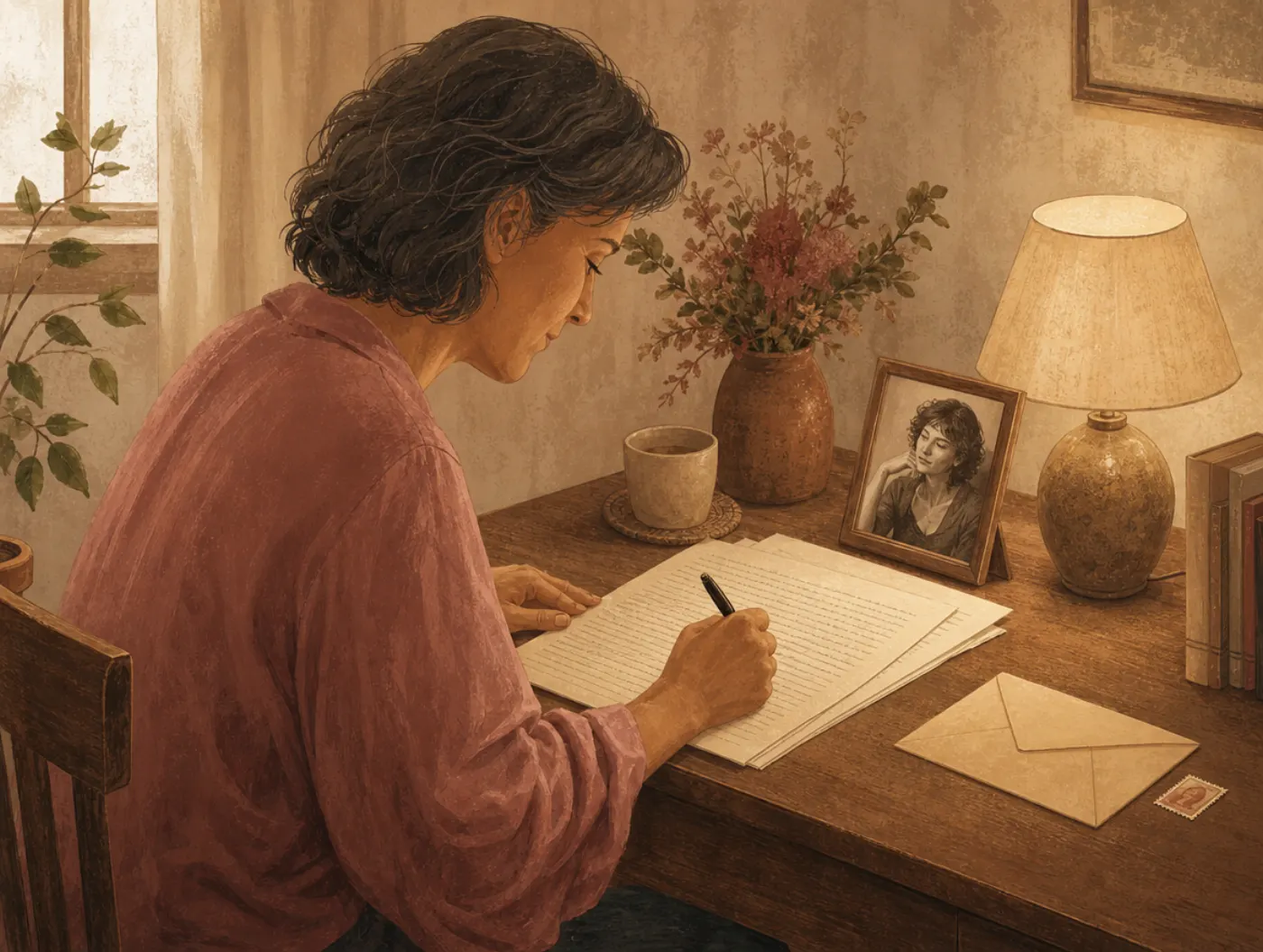
About this tool
The gratitude letter, and its in-person counterpart the gratitude visit, is a cornerstone exercise in positive psychology. The idea is to think of one specific person who did something kind or important for you and whom you never properly thanked, then write them a concrete, heartfelt letter of gratitude. The most powerful version is to read it aloud to them in person, but writing it alone is still meaningful.
In the foundational study by Seligman and colleagues, the gratitude visit produced the largest immediate boost in happiness and the largest drop in depressive symptoms of any exercise they tested. The effects faded somewhat over time, which is part of why it pairs well with daily practices like Three Good Things. Even so, few exercises move the needle so sharply in a single session.
What makes a gratitude letter work is specificity and sincerity, not eloquence. Name exactly what the person did, describe the situation, and say plainly how it affected you then and how it still matters now. You do not need perfect prose. The honesty is what lands, both for the reader and for you as you write it.
The most common mistake is staying general, thanking someone for always being kind, rather than naming one specific moment and what it changed. A close second is trying to thank several people in one letter. Pick a single person and a single reason. A short, concrete letter about one real moment lands harder than a long, vague one about many.
If you find you cannot think of anyone, or the exercise leaves you feeling flat or more sad than warm, that is worth paying attention to rather than pushing through. Persistent trouble feeling gratitude or connection can be a sign of low mood worth talking through with someone. Psychology.com's therapist directory is free to search if you want to find a therapist to talk it over with.
References
- Seligman MEP, Steen TA, Park N, Peterson C. Positive psychology progress: empirical validation of interventions. Am Psychol. 2005;60(5):410-421.
- Emmons RA, McCullough ME. Counting blessings versus burdens: an experimental investigation of gratitude and subjective well-being in daily life. J Pers Soc Psychol. 2003;84(2):377-389.
Cite this source
Psychology.com. (2026, September 15). Gratitude Letter. Psychology.com. https://psychology.com/tools/gratitude-letter
Gratitude Letter FAQ
What is a gratitude letter?
It is a detailed thank-you letter written to one person who helped you and was never properly thanked. Reading it aloud to them in person, known as a gratitude visit, is the most powerful version and produced large gains in happiness in research.
Do I have to deliver the letter?
No. Writing it is valuable on its own. That said, the strongest documented effects come from reading it aloud to the person face to face.
What if the person has passed away or I cannot reach them?
You can still write the letter. Many people find that expressing the gratitude in writing is meaningful and healing even when it cannot be delivered.
Is my information saved?
No. Everything stays in your browser. Your letter is never uploaded or stored, and the PDF is generated on your own device.
How long should a gratitude letter be?
Aim for around 300 words, enough to name the specific thing the person did, describe how it affected you at the time, and explain how it still matters now. There is no strict limit. A shorter letter that is specific and sincere works better than a longer one that stays general.
Does writing a gratitude letter actually work?
Research on the gratitude visit, reading the letter aloud to the person, found it produced the largest immediate boost in happiness and the largest drop in depressive symptoms of any positive psychology exercise tested. Writing the letter alone, without delivering it, is still a meaningful and worthwhile exercise on its own.